

The Roaring Lion and the Epic Fury: The United States-Israel and Iran Conflict
Date : 10.03.2026
Workshop Summary Document
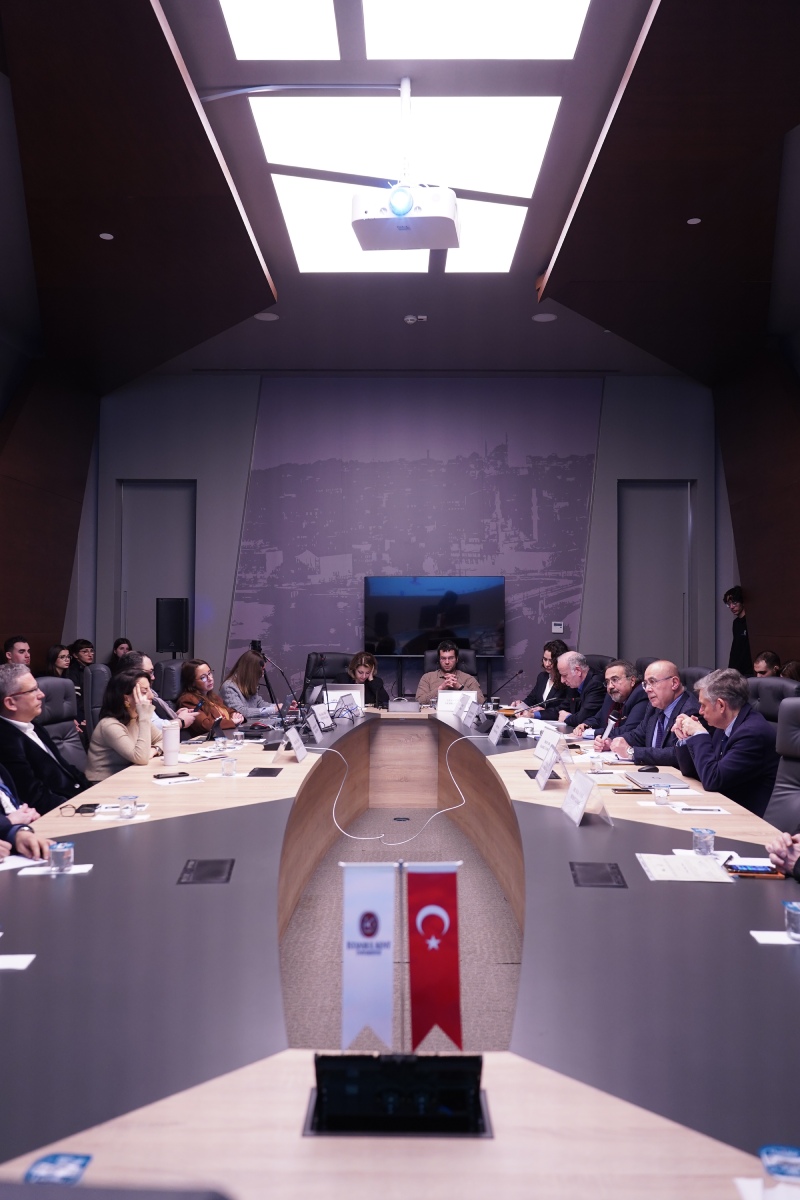
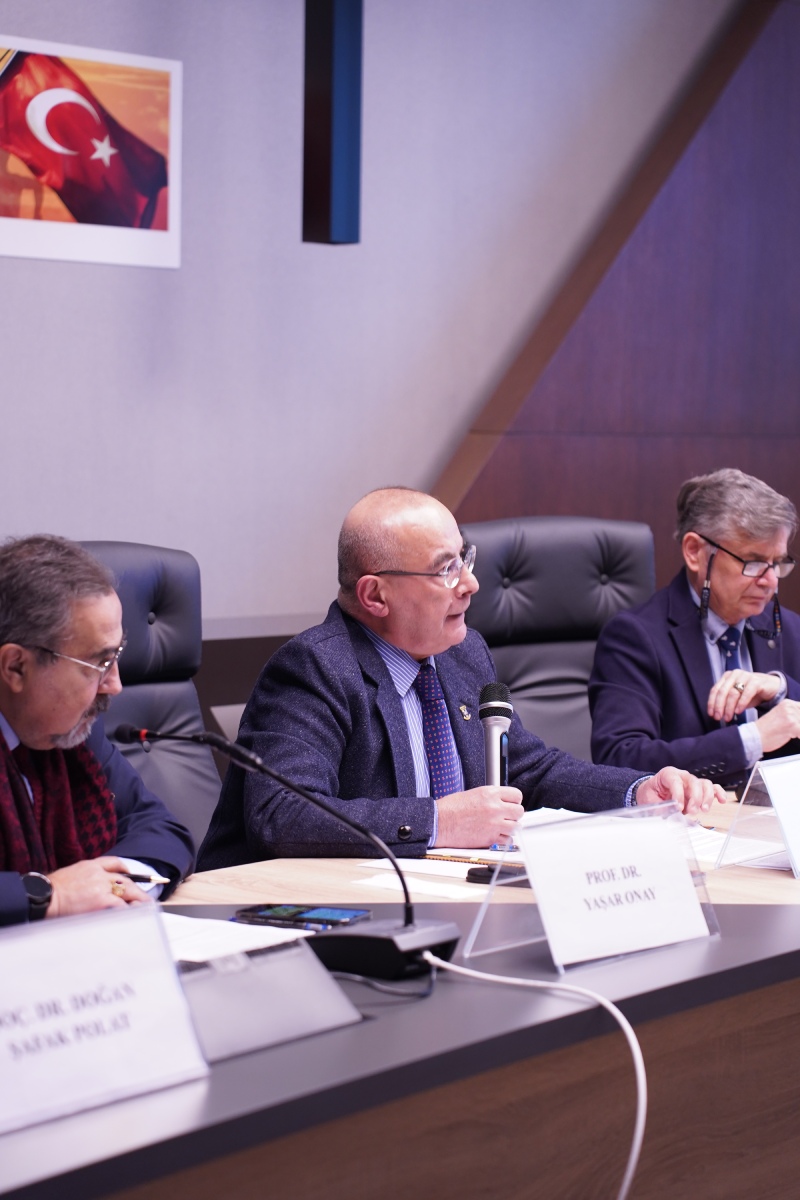
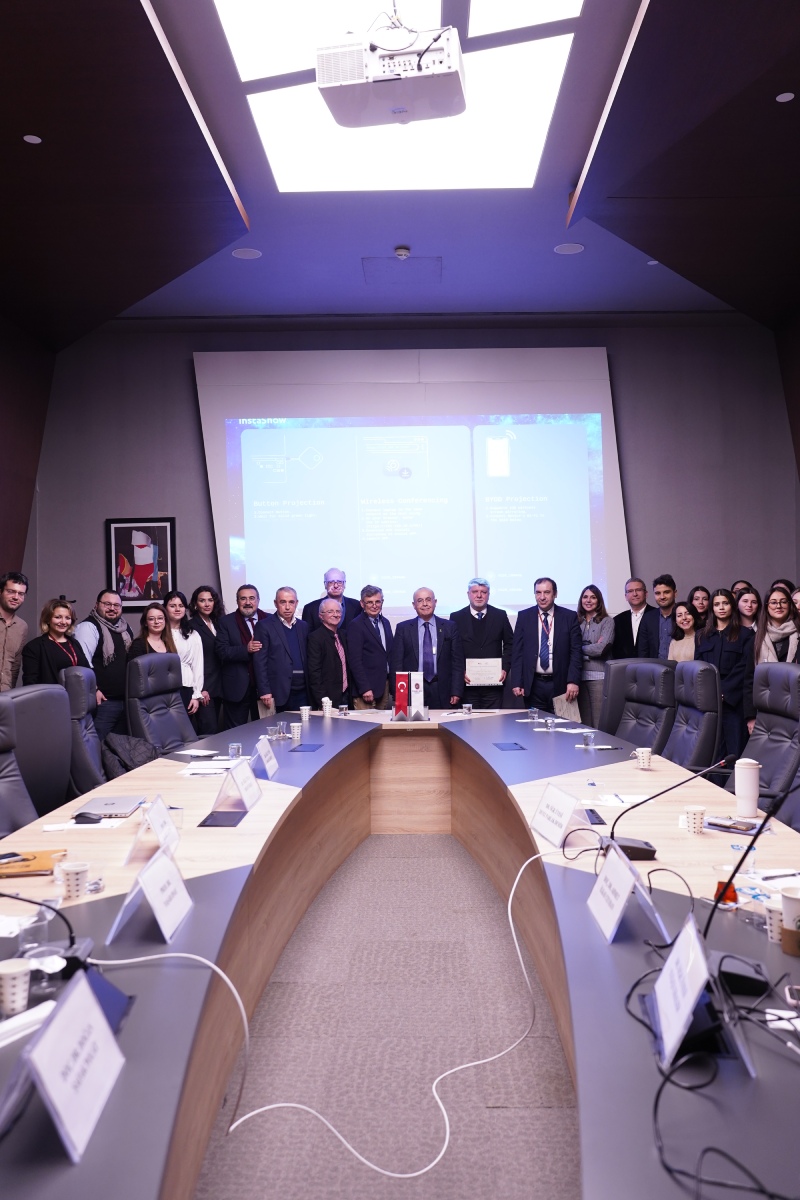
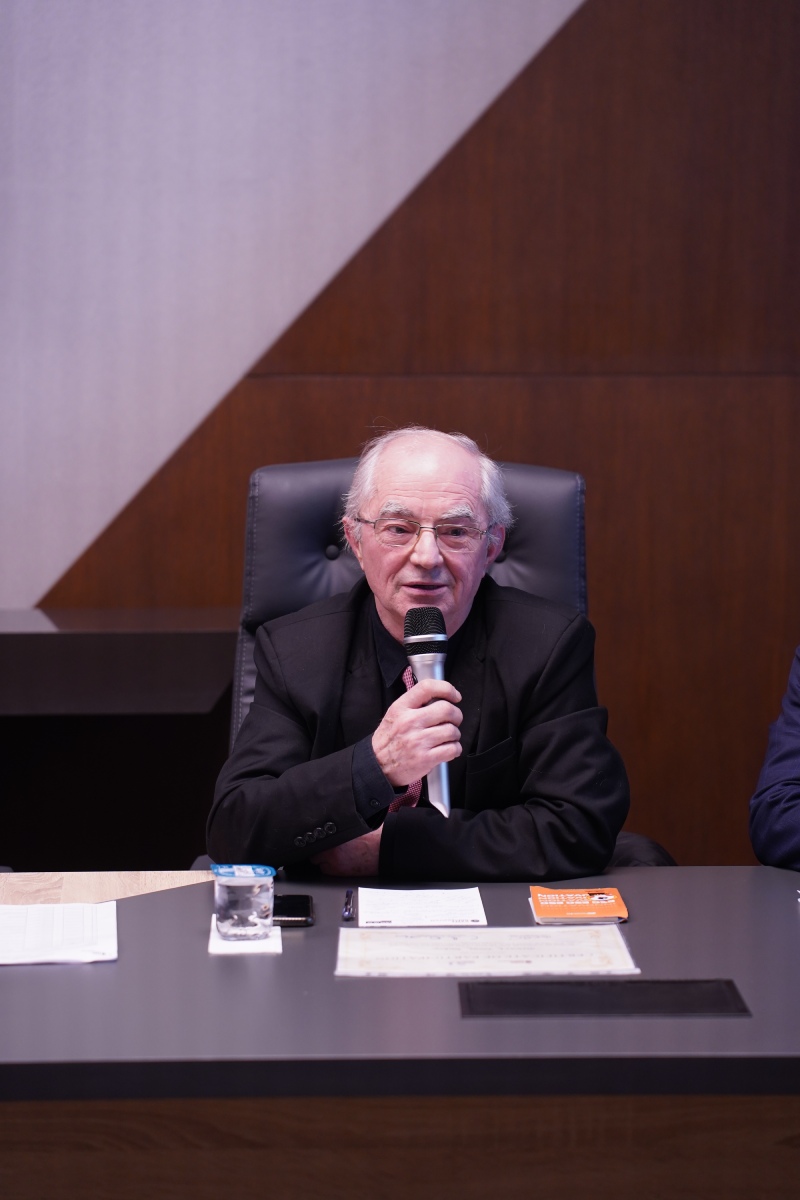
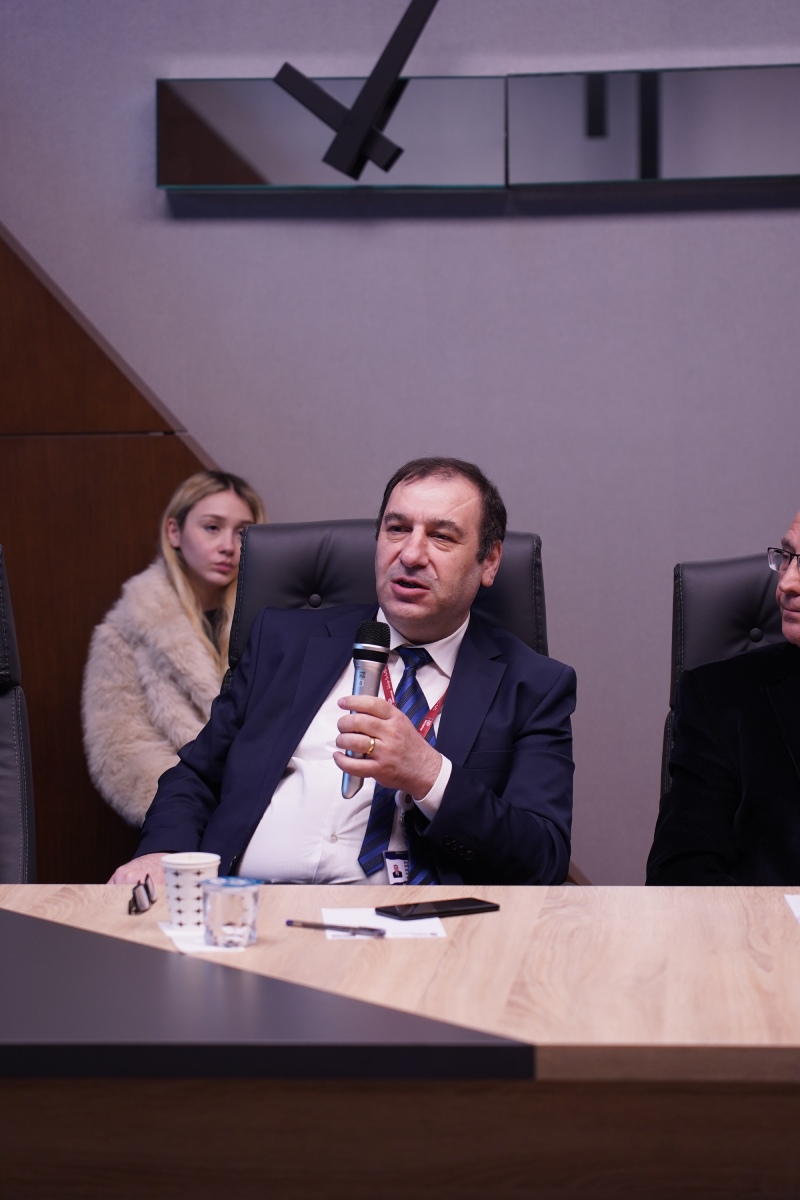
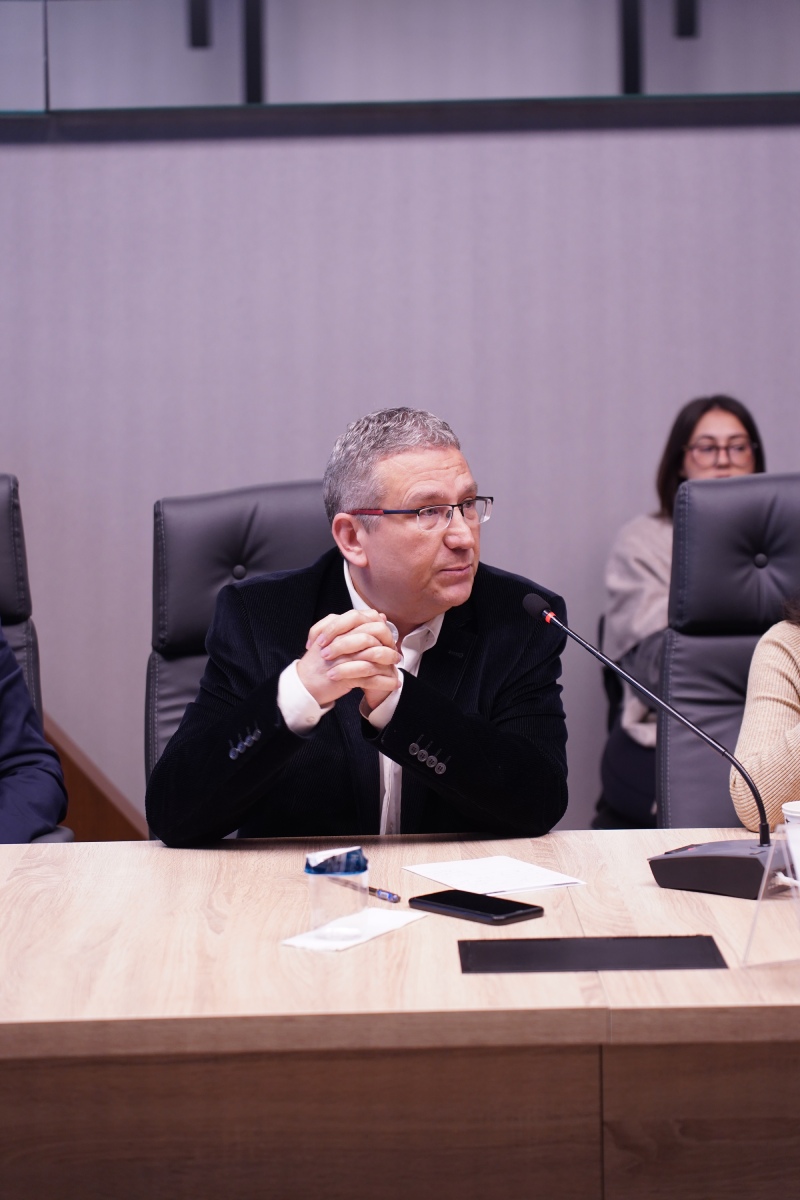
The workshop titled "Roaring Lion and Epic Fury: The United States-Israel and Iran Conflict" was held on March 4, 2026, at Istanbul Kent University's Kağıthane campus and simultaneously online to analyze the geopolitical, social, and economic dynamics that have emerged within the framework of the joint US and Israeli operation against Iran. In the event held in cooperation with Istanbul Kent University Faculty of Economics, Administrative and Social Sciences and KENTUSAM, faculty members working within the faculty came together and discussed multidimensional issues such as crisis management, intelligence, military strategy, energy security, media discourses and regional impacts.
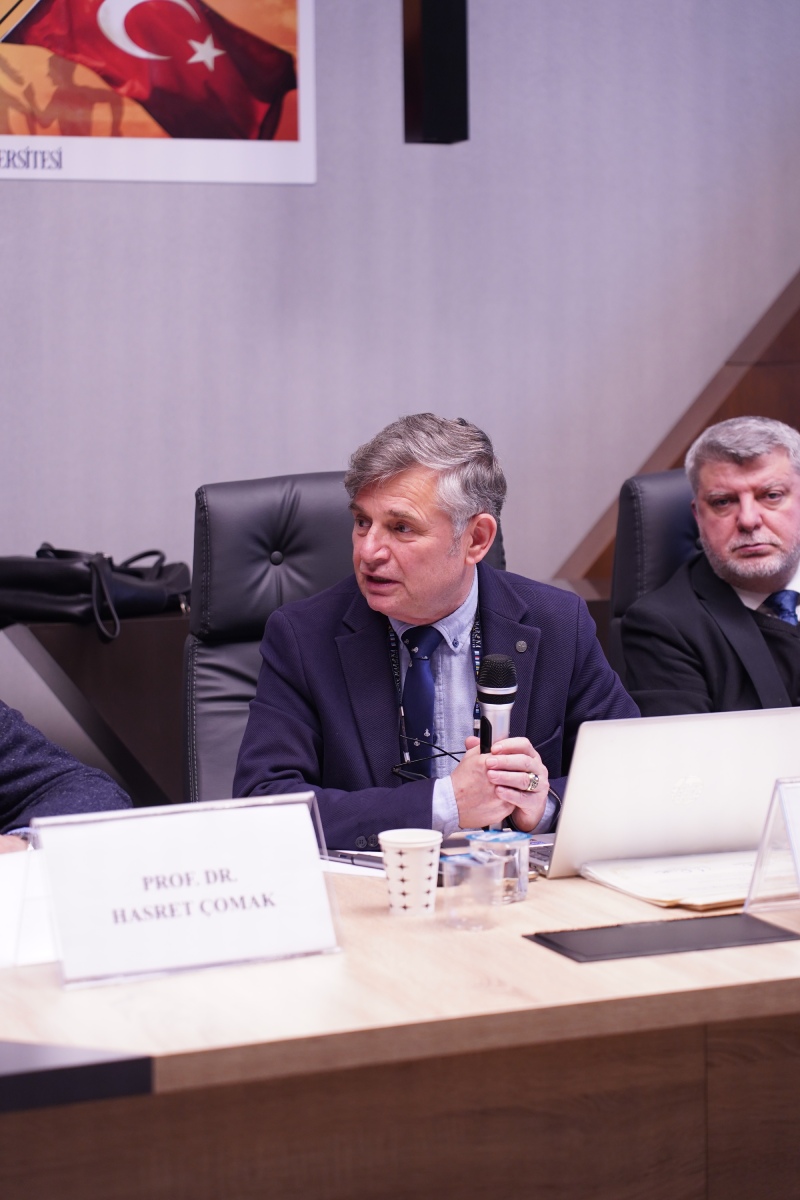
Dean of the Faculty of Economics, Administrative and Social Sciences Prof. Dr. Hasret ÇOMAK summarized in his opening speech; The US and Israel's operation against Iran,
He stated that it was based on the prevention of the uranium enrichment program, the end of the effort to acquire nuclear weapons, the restriction of the range and number of ballistic missiles, the end of the support given to armed groups in the Middle East, and stated that the US President explained the reason for the attack as "threats to the interests of his country" and that it targeted Iran's nuclear facilities, missile bases and military headquarters.
Prof. Çomak continued: Türkiye emphasized that it is a country with a 560-kilometer border with Iran, that there may be a "mass migration" movement from Iran to Türkiye, that the separatist/separatist PJAK structure in Iranian territory can be restructured in line with the interests of the USA and Israel, and that this situation may threaten Türkiye.
In Eurasia, which has 75 percent of Iran's world energy resources; Emphasizing that it is a key country in the region connecting the Caspian basin, the Caucasus, the Middle East and Central Asia, Prof. Çomak continued; He stated that Iran has a geopolitical position that provides activity in four regions, that Iran has a sovereign position in the Strait of Hormuz, which opens the Persian Gulf to the world through the Indian Ocean, and that it is a country that has the opportunity to control the shipment of oil and liquefied natural gas of the Gulf region to the south.
He stated that as long as the operation continues, there may be a decrease and/or interruption of oil and gas flow to the Asia-Pacific region, and that this situation will adversely affect the economic life around the world, the countries of the region are 90% dependent on foreign sources for food products, these countries may experience difficulties in food supply and energy supply security.
Prof. Çomak, as the measures to be taken for Türkiye; Strengthening the air defense system of the Eastern and Southeastern Regions, rapid modernization of our air force, restructuring of our high-altitude air defense system against possible threats, keeping NATO-related coordination mechanisms active, increasing cyber security measures in energy infrastructures, commissioning alternative sources in oil/natural gas supply, controlling strategic oil reserves, to make financial law arrangements against price shocks, to carry out simultaneous diplomatic contacts with the parties to the operation, to undertake the role of regional mediation for Türkiye, to increase border security measures against possible migration waves and to develop alternative plans against possible migrations, to closely monitor the work of CIA/MOSSAD agents and to increase intelligence on provocative actions aimed at provocation.
Prof. Çomak, in his general evaluation; Türkiye has suggested that it stay out of the conflict under all circumstances, take a decisive stance in line with its national interests, goals and security needs, stay away from interfering in Iran's internal affairs, and contribute to the peaceful solution of the regime problem in Iran within the dynamics of the country. Türkiye should not allow any of the parties participating in the operation to use the country's land, sea and airspace, including ports, airports and roads, and should not allocate a region or base area for deployment on its territory. Türkiye also provides the parties with the benefit of its military facilities and personnel support; it should not engage in activities such as procuring tools, equipment, weapons, and ammunition.
As a result, Prof. Çomak, Türkiye, emphasised that the USA should follow a careful, balanced, and consistent policy in its relations with Israel and Iran, that Türkiye should be very sensitive to any threatening development in its area of interest and influence, and that it should review its national security policies. In this context, he suggested that the General Staff, the Ministry of National Defense and the Ministry of Foreign Affairs work very efficiently and qualitatively for coordination, that the results obtained for our national security be negotiated and evaluated in the National Security Council, that a "General Meeting" be opened in the Grand National Assembly of Türkiye as soon as possible, that developments regarding national security be discussed in the General Assembly and that a Parliamentary Decision be taken.
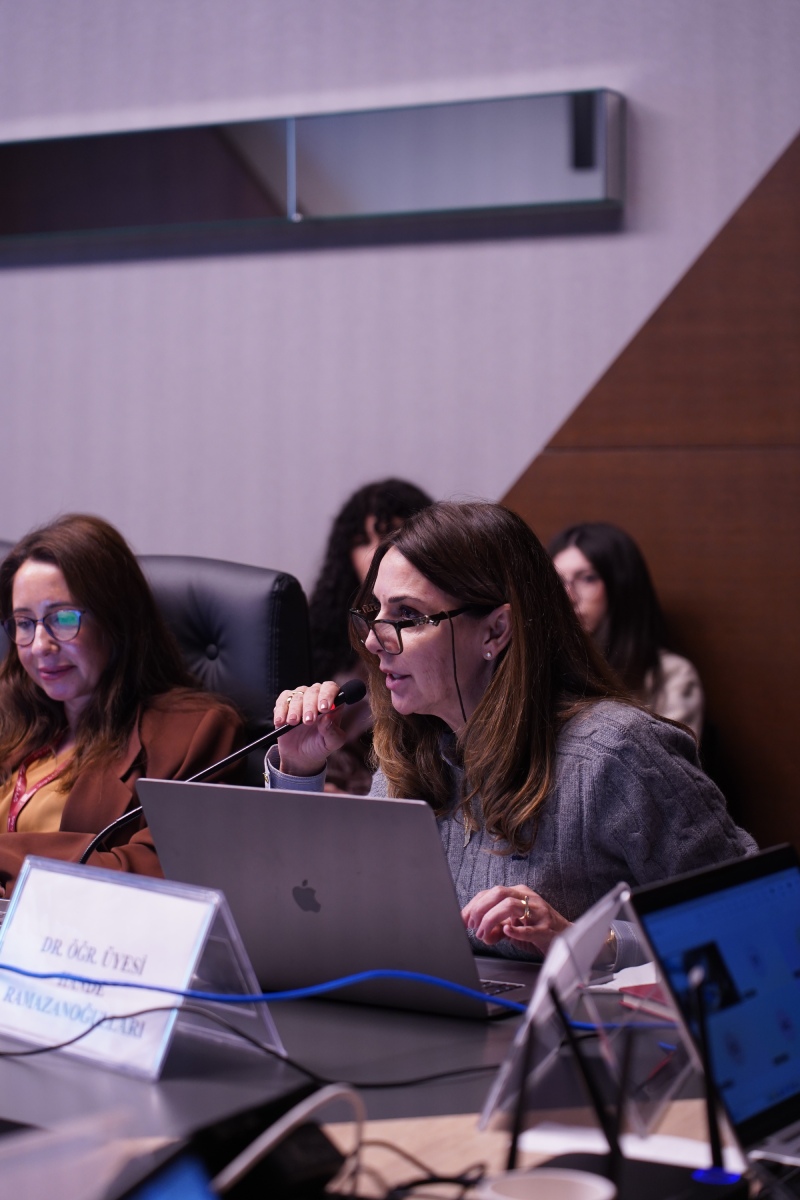
On the Social Movements That Developed in Iran Before the Joint Operation of the United States of America and Israel Against Iran, Asst. Prof. Dr. Hande RAMAZANOĞULLARI; While evaluating the January 2026 protests, Ramazanoğulları stated that unlike the 1979 Revolution, the movements lacked central leadership and strong organizational structures, and developed in the form of fragmented street movements led by youth, students, women and workers. The start of the protests in the Grand Bazaar in Tehran and the participation of the Bazaari merchant class stand out as an important development. Key triggers include the economic downturn, the depreciation of the rial, and the rise in living costs. The lack of division within the security apparatus and the harsh intervention of the Revolutionary Guards limit the possibility of regime change.
Ramazanoğulları emphasized that democratic transformation can only be possible through cooperation between civil society actors and reformist state elements and that two basic scenarios stand out for Iran. The continuation of the regime by increasing pressure or the transition to a more representative system based on negotiations.
On the Theological Infrastructure of the United States and Israel's Joint Operation Against Iran, Asst. Prof. Deniz PARLAK DEMİR stated that the aggressive policies of the USA and Israel towards Iran are legitimized not only by geopolitical or strategic interests, but also by religious and ideological discourses, and that the alliance between evangelical circles in the USA and the extreme right in Israel considers the policy against Iran as secular security reasons. He emphasized that he framed it as a "cosmic struggle between good and evil". In this approach, politics is shaped by the state of exception, sovereign decision and sacred references rather than legal and rational processes; war, on the other hand, is presented as a purification or a struggle for destiny rather than a foreign policy tool, and on the Iranian side, it is argued that the Velayat-e Faqih system, which has been institutionalized since 1979, survives with powerful state apparatuses such as the Revolutionary Guards, but the protests in recent years point to a serious erosion in the legitimacy of the regime.
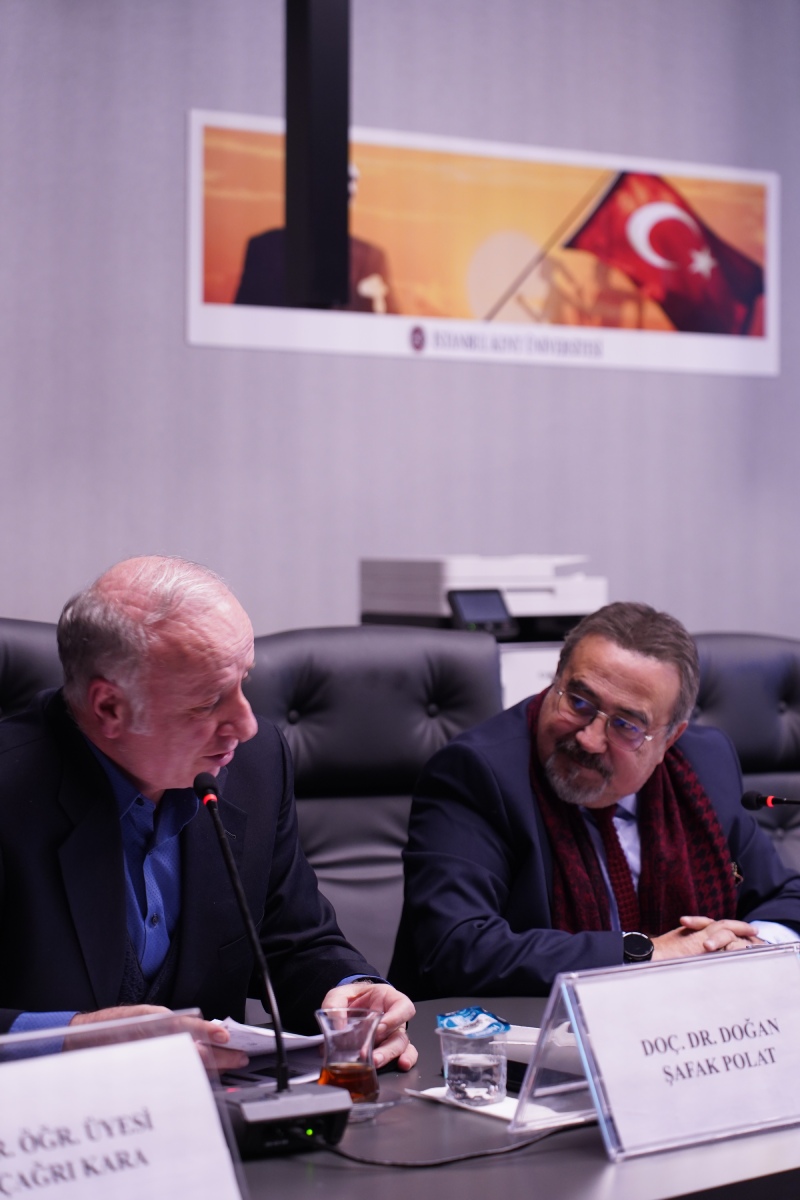
On the Military Strategy and Security Implications of the United States and Israel's Joint Operation Against Iran; Head of the Department of Political Science and Public Administration (Turkish) Assoc. Prof. Dr. Doğan Şafak POLAT; He emphasized that the joint operations of the USA and Israel against Iran are considered as a hybrid competition model with limited but strategic results, beyond the classical understanding of war. The operations aim to weaken deterrence by focusing on Iran's ballistic missile capability and proxy networks, rather than directly targeting invasion or regime change. While the US strategy is based on keeping the nuclear and missile threat under control; Israel is geared towards ensuring its existential security. The operations were embodied in "Rising Lion", "Midnight Hammer", "Rough Rider" and "Epic Fury" on February 28, 2026, temporarily weakening Iran's conventional deterrence, suppressing Resistance Axis elements and reshaping the regional balance of power in favor of the US-Israel. This process, as an example of the logic of continuous and controlled tension and hybrid warfare, reveals a new security model in the Middle East. The main debate focuses on ways to maintain this controlled balance and prevent potential miscalculations.
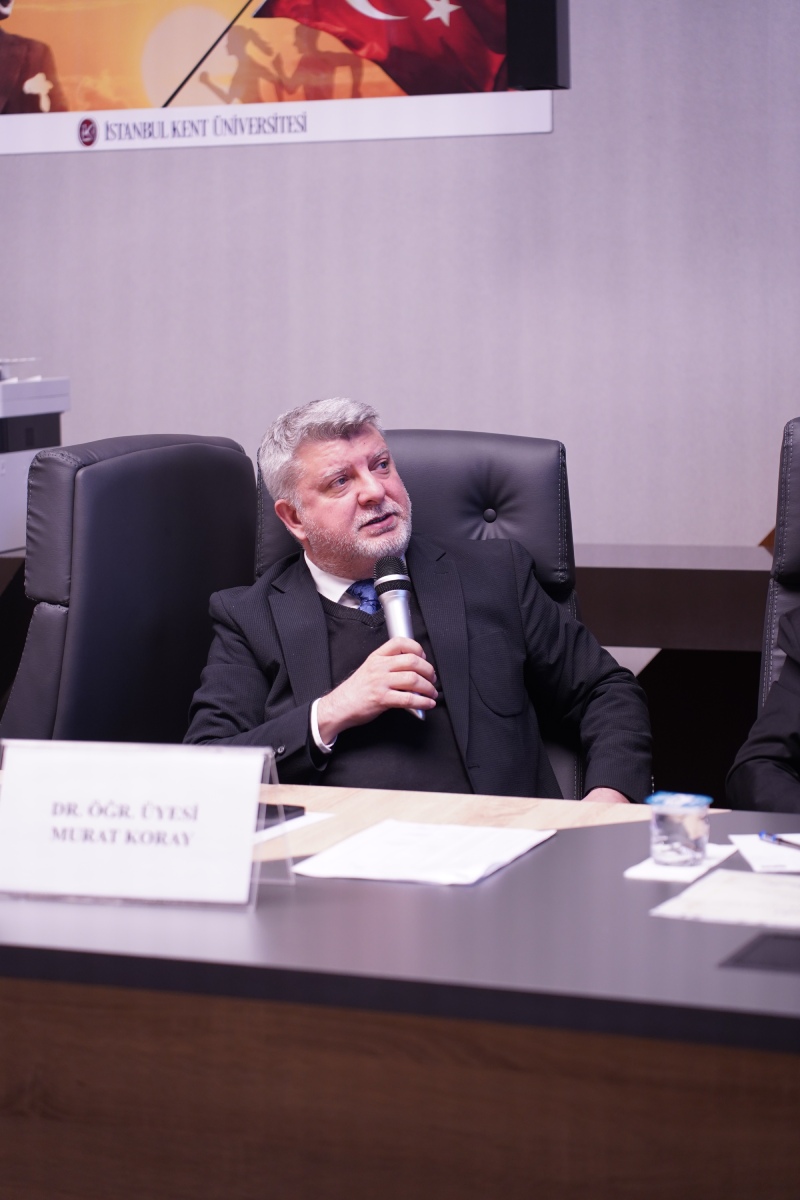
On the Effects of the United States and Israel's Joint Operation Against Iran on Global Energy Security and Economy, Head of the Department of International Trade and Logistics Dr. Faculty Member Murat KORAY; He emphasized that the logistics understanding based on the cheap production-cheap freight equation of the 2000s is no longer valid. He mentioned that the main issue of today is not cost, but geopolitical risk and security. Highlighting the ton-mile paradox, he stated that although the trade volume increased slightly in 2024, the distance carried has increased significantly, which is the most concrete indicator that the efficiency of the system is eroding due to geopolitical pressures. He also explained that Brazil and Guyana have created new axes in energy supply, and that the risks experienced in critical straits such as Hormuz are tried to be compensated by the bypass pipelines of Saudi Arabia and Abu Dhabi. By posing the question "Who benefits from war?", he stated that the defense industry, large integrated energy companies, tanker and insurance markets benefit from this environment, while small exporters and energy importers are the losers. At the end of the presentation, he pointed out that the environment of constant crisis weakens globalization, increases blocs and creates a structural transformation that systematically rewards actors with strong connection between scale and state.
On Intelligence Wars in the Context of the Joint Operation of the United States of America and Israel Against Iran, Research Assistant Ege Furkan TOKER; While evaluating the operations of the USA and Israel against Iran, he emphasized that although this operation stands out with conventional air power and leadership targeting on the surface, its real success stems from intelligence. Toker stated that the operation was based on months of tracking and analyzing the movement patterns of Ali Khamenei and senior IRGC (Iranian Revolutionary Guard Corps) officials, and said that continuity, behavioral pattern analysis and time sensitivity played a critical role in this process. Predicting the movements of leaders under crisis and adjusting the operation time according to information provided strategic surprise. In addition, Toker underlined that the regional tensions of the last 1.5 years have allowed the USA and Israel to integrate HUMINT, SIGINT, cyber operation and psychological disintegration strategies, thus paralyzing the chain of command and control and encouraging internal disintegration. Through this example, he especially emphasized that victory in modern warfare is won not only by the power of arms, but also by the use of multi-layered intelligence and decision superiority.
Research Assistant Elif ÜÇERLİ on Crisis Management and Conflict Resolution Search in the Context of the United States and Israel's Joint Operation Against Iran;He discussed the search for possible solutions while touching on the historical background of the conflict. Accordingly, he talked about the origins of the preemptive strike doctrine, its use in two world wars and its revival with the invasion of Iraq. While discussing the security dilemma created by Iran's defense strategy against the US's cooperation with Israel in its struggle for hegemony, he touched upon the importance of communication channels, limitations and the position of great powers for crisis management, and the dysfunction of international organizations.
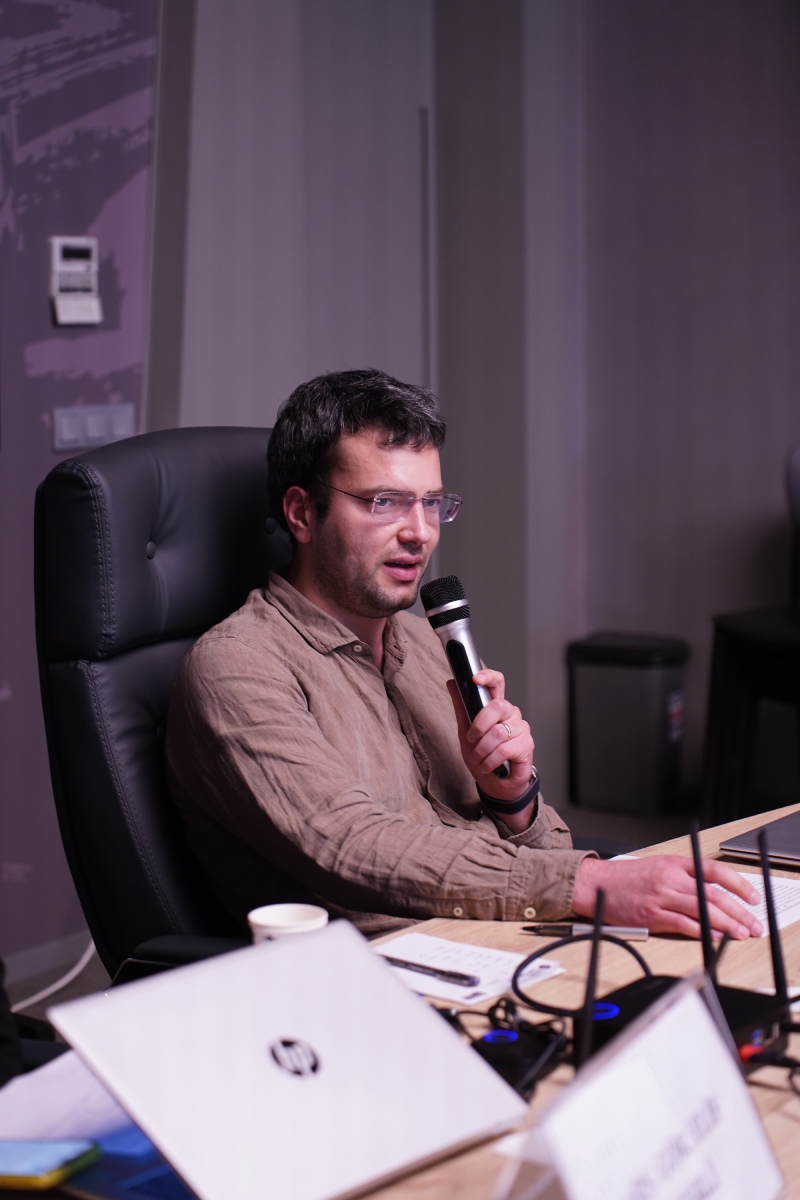
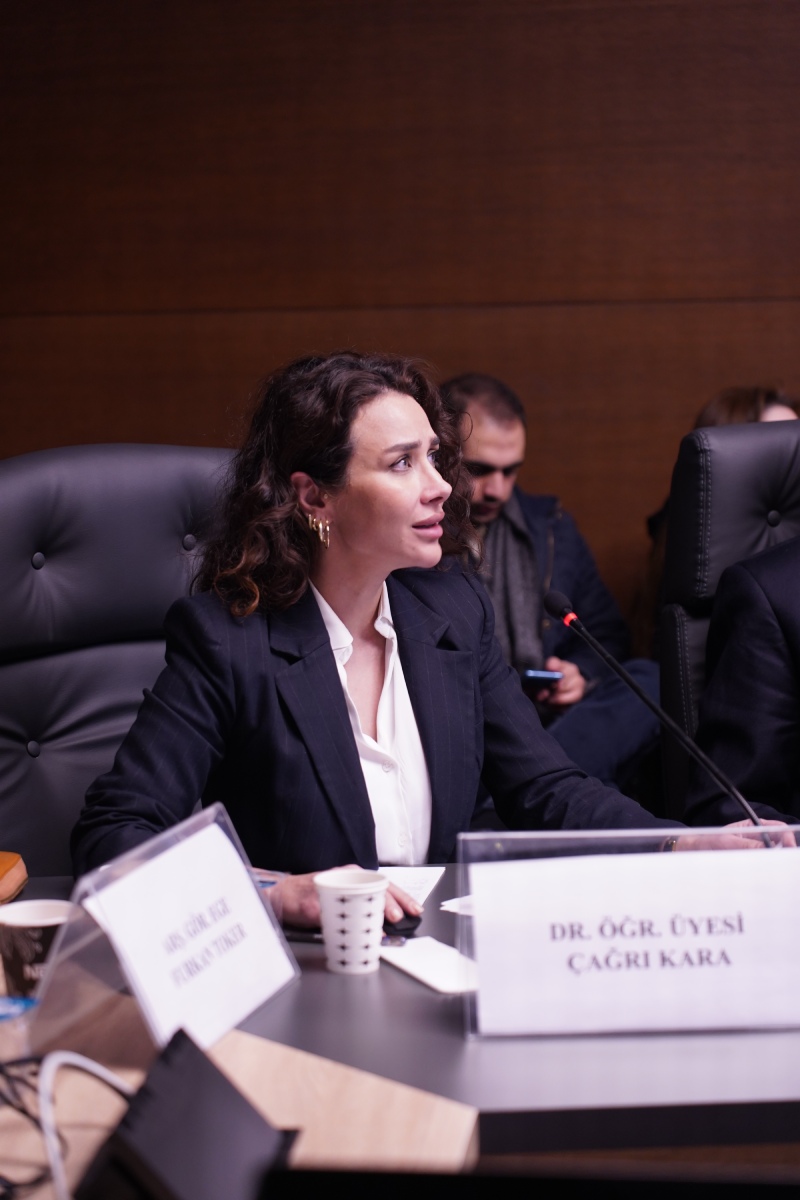
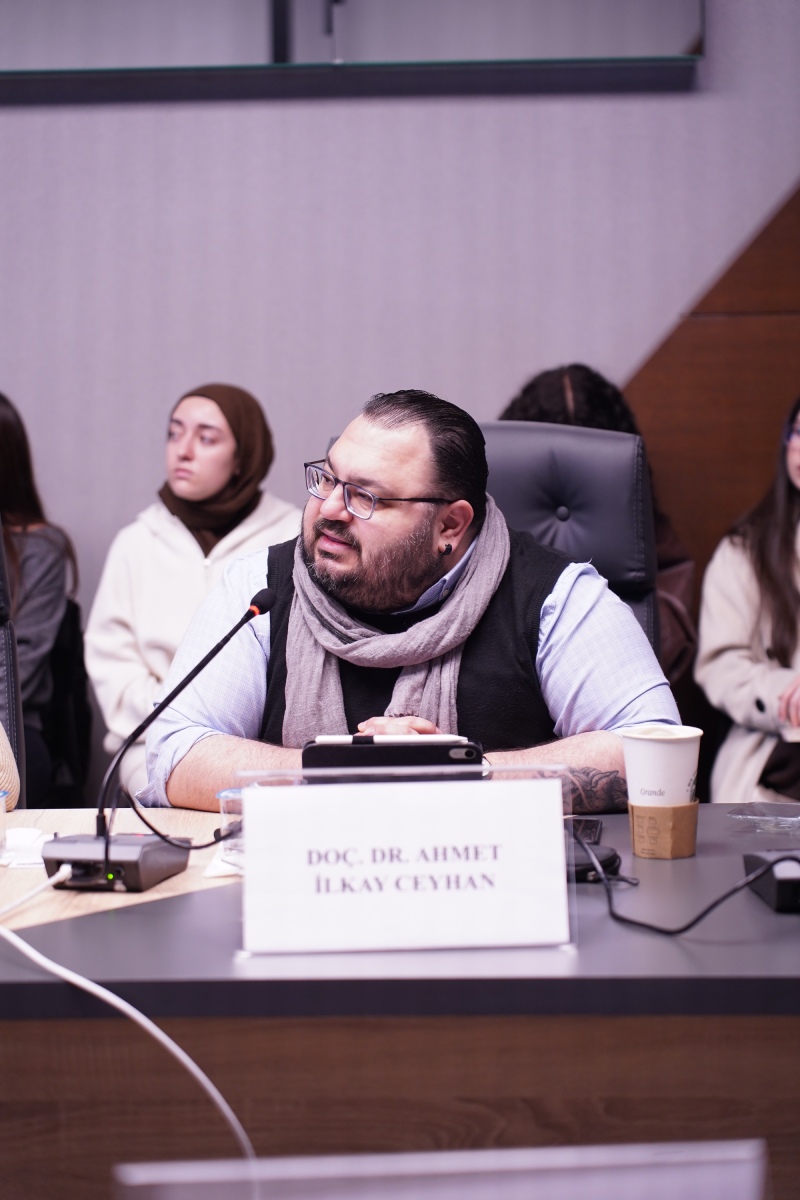
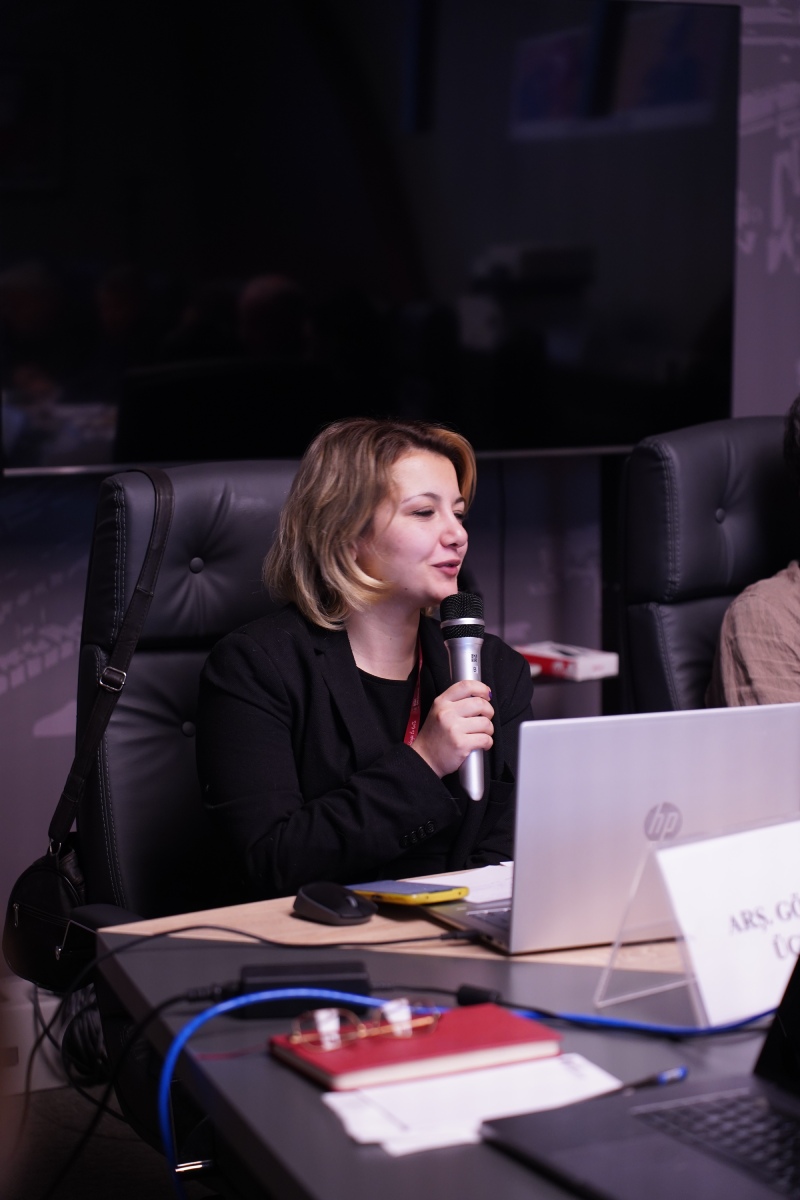
On Public Reactions and Media Discourses During the Joint Operation of the United States and Israel Against Iran, Head of Public Relations Department Assoc. Prof. Dr. Ahmet İlkay CEYHAN and Dr. Lecturer. Prof. Dr. Çağrı KARA emphasized in his presentations that modern wars are now waged not only in the field but also in the digital field. They detailed how a war of perception was produced through headlines, social media and algorithms. They have shown with examples that manipulative hashtag campaigns such as misleading news headlines, CGI videos, #WorldWar3, and bot networks can create a viral effect in times of crisis and produce global panic. They highlighted that algorithms create echo chambers by reinforcing user interests, thus transforming the same event into starkly contrasting realities across different ideological poles. The presentation revealed that misinformation can spread faster than physical conflicts thanks to technology and that the digital battlefield is now at least as strategically important as the physical front.
On the Effects of the Joint Operation of the United States of America and Israel on Iran on Türkiye, Asst. Prof. Tuğçe URALER; He emphasized that the joint operations of the US and Israel against Iran are not just military interventions, but strategic moves that reshape regional security balances and deterrence architecture. The operations target Iran's ballistic missile capabilities and proxy forces, aiming to achieve strategic superiority without direct invasion or attempts at regime change. While the United States has sought to limit nuclear and missile threats through its operations, Israel has carried out rapid and precise preventive interventions with a more existential perspective. The 12-Day War and the "Operation Epic Fury" launched on February 28, 2026, have temporarily weakened Iran's conventional deterrence and limited the capacity of
Resistance Axis elements. These interventions rebalanced the security architecture in the Gulf in favor of the United States and Israel, and a global conflict was prevented thanks to the limited intervention of Russia and China. Uraler stated that the process revealed a period of controlled tension and hybrid competition beyond classical definitions of war, and emphasized that ensuring regional stability is possible with the limited and targeted nature of operations. The presentation provides a critical perspective on sustainable deterrence in the Middle East and the risks that miscalculations can pose.
On the Regional Effects of the Joint Operation of the United States and Israel Against Iran and Future Scenarios; Head of the Department of International Relations (English) Asst. Prof. Dr. Mesut ÖZEL; By analyzing the regional effects of the joint operation of the USA and Israel against Iran in the light of historical visions and current developments, it has put forward scenarios for the possible future of the Middle East. Quoting the common points of Ralph Peters' "Blood Borders" map in 2006 and Robin Wright's "Remapped Middle East" study in 2013, which updated and complemented it, Özel explained that these two predictions are becoming more and more visible with the sectarian and ethnic fault lines experienced in the field today. He stated that the region was rapidly dragged into a ring of fire within the framework of the structure of the operation that violated the UN Charter, Iran's regional reprisals, the criticalization of the Strait of Hormuz and the strategic dilemmas of the Sunni-Arab states. By presenting three basic future scenarios, he stated that limited escalation, broad regional war and the reshaping of states in the Peters-Wright line, especially the third scenario, could create a geopolitical transformation covering the entire region through the ethno-sectarian division of Iran.
As a result, Özel pointed out that today's conflict is not only a military operation but also strengthens the possibility of the actual implementation of regional redesign projects put forward about twenty years ago, and that nothing in the Middle East will be the same as before and will no longer be able to remain in its old balances.
In the context of the Closing Speech and Suggestions, Dean of the Faculty of Economics, Administrative and Social Sciences Prof. Dr Hasret ÇOMAK, emphasized that Türkiye should follow a balanced, consistent and careful policy in its relations with the USA, Israel and Iran. It was stated that Türkiye should show high sensitivity to all threats in its area of interest and influence, and that the Ministries of General Staff, National
Defense and Foreign Affairs should cooperate effectively for rapid and coordinated response to developments. It was proposed that the security and diplomacy results obtained be discussed in the National Security Council, that a General Debate be opened in the Grand National Assembly of Türkiye as soon as possible and that the developments be discussed in the General Assembly. These proposals aim to ensure that Türkiye both protects its national security and takes a proactive and strategic stance in regional crises.
In addition, it is considered that it would be beneficial to closely monitor the work of CIA/MOSSAD agents in Türkiye and prevent their provocative activities, to strengthen our local, regional and national air defense networks immediately, to accelerate the modernization of our Air Force, and to raise awareness of institutions and the public about the way of acting in sudden air attacks on Civil Defense.
PHOTO & VIDEO